When chronic exhaustion sets in, our default reaction is often analytical. We attempt to think our way out of fatigue. We build more rigid schedules, download meditation applications, or read manuals on time management. Yet, despite intellectual understanding, the body remains perpetually on edge. The shoulders stay elevated, digestion slows, and sleep fails to refresh.
This disconnect happens because burnout is not a failure of will or organization. Burnout is a sustained physiological state: an autonomic nervous system locked into chronic sympathetic activation.
The Limits of Intellectual Rest
The mind processes thoughts through the prefrontal cortex, but chronic stress is mediated deep within the subcortical brain and the autonomic nervous system. When pressure accumulates over months or years, the body interprets non-stop demands as physical threats. The vagus nerve deprioritizes rest, cellular repair, and restorative digestion to keep the body prepared for emergencies that never arrive.
Attempting to calm this physiological loop through thinking alone is ineffective. You cannot talk a racing heart into slowing down, nor can you debate tight fascia into softening. To break the cycle of exhaustion, communication must move in the opposite direction: from the body upward to the brain.
Somatosensory Reset: How the Body Communicates Safety
Somatic recovery relies on direct, bottom-up signaling. The nervous system requires physical proof of safety before it permits deep tissue repair and restorative rest.
- Diaphragmatic and Pranayama Regulation: Breath is the primary accessible lever of the autonomic nervous system. Slow, structured exhalations stimulate the parasympathetic branch via the vagal pathway, lowering resting heart rates and signaling blood vessels to dilate.
- Kinesthetic Grounding: Prolonged cognitive labor traps energy in the head. Intentional movement, slow somatic stretching, and direct foot contact with natural terrain activate proprioceptors, shifting sensory attention back into physical space.
- Decelerated Sensory Input: Urban settings subject the senses to continuous micro-decisions and artificial light. Immersion in quiet, natural environments reduces sensory processing loads, allowing adrenal output to stabilize naturally.
Restoring Balance in the Foothills of California Hot Springs
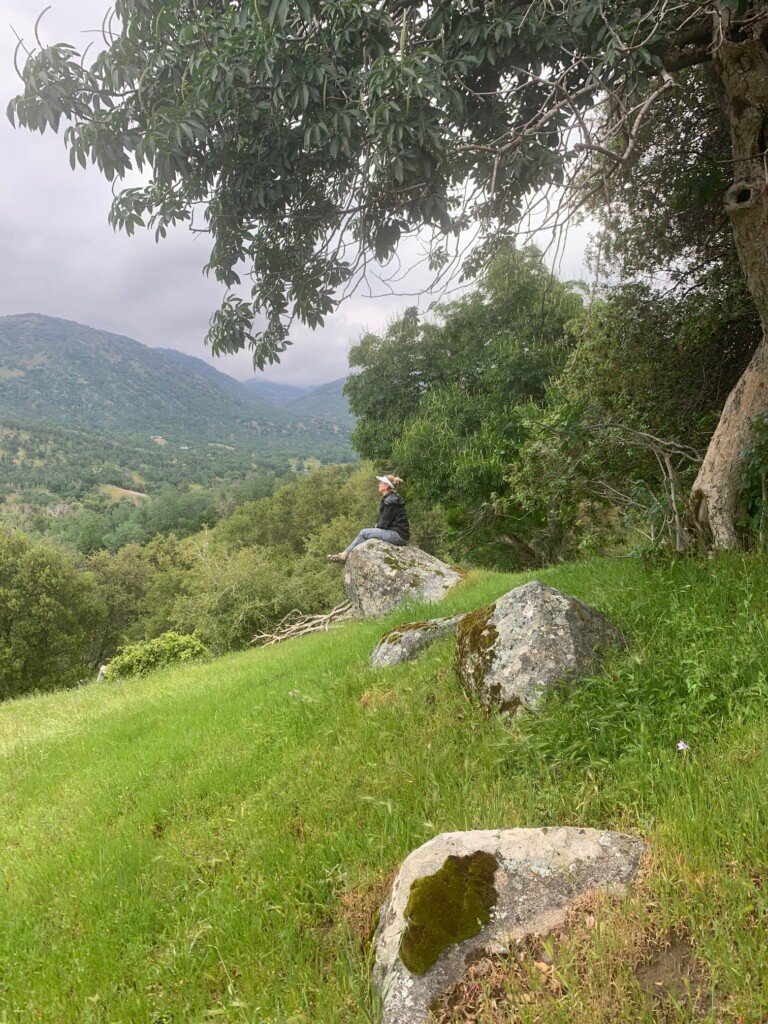
Still Mountain Wellness Retreat offers an environment explicitly structured around this somatic understanding. Situated across 240 acres of quiet oak woodlands in California Hot Springs, our programs replace cognitive analysis with direct physical practice.
Participants step away from synthetic schedules into traditional pranayama, gentle somatic movement, organic plant-based nutrition, and undisturbed natural stillness. The retreat is not designed as a distraction from work, but as a deliberate reset for an overextended nervous system.
When you remove continuous demands and give the body direct sensory indicators of safety, energy returns without force.